

Mushroom Broth: Nature’s Living Immune Tonic
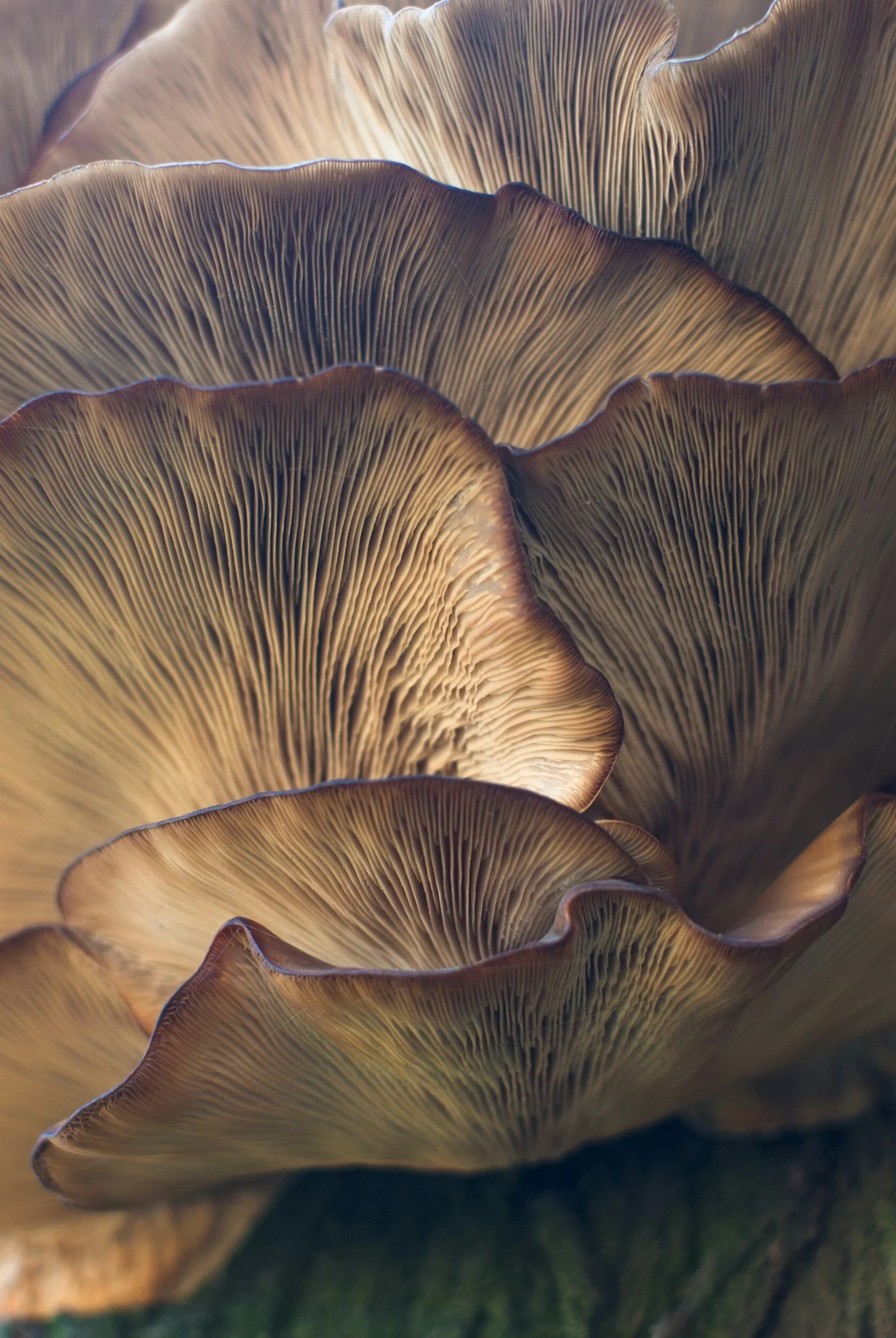
Fungi are metabolic wizards.
Shantree Kacera, RH, DN, Ph.D.
“Mushrooms are the quiet alchemists of the forest, transforming soil, air, and water into concentrated life force.”
Mushrooms are delicate yet strong in the way they carry a vital life force; in their natural state, they contain nutritious proteins, minerals, and substances that support the immune system and keep enzymes active. Together with sprouted legumes, seeds, and live-fermented foods, they make a living broth full of vitality, alkalinity, and deep nourishment.
When you drink it, the elixir nourishes your cells, supports your immune system, and promotes balanced digestion. Each portion contains live nutrients, prebiotics, and a reasonable amount of plant protein, so you can use it regularly.
Mushrooms contain beta-glucans and polysaccharides that support the immune system, antioxidants that destroy free radicals, and bioavailable minerals that support enzyme reactions. Sprouting legumes and seeds improves amino acid composition, creating a more complete plant protein. Live fermented foods contain probiotics and organic acids that help balance the gut microbiota and enhance nutrient absorption. Together, these components form a synergistic matrix that increases cellular metabolism, stabilizes blood sugar levels, and promotes resilience.
To transform a mushroom broth into a deeply nourishing, protein-rich tonic:
Mushrooms, whether fresh or dried- for example, shiitake, maitake, cremini, and porcini—are a good source of protein, beta-glucans, and umami.
For example, germinated legumes such as red lentils, mung beans, or split peas contain protein that is easy to digest and has an alkalizing effect.
Alkaline seeds (for example, hemp, pumpkin, and sunflower seeds) contain complete protein, healthy fats, and minerals.
If you're seeking probiotics and a nutrient-rich source of enzymes, choose fermented foods (such as miso, tempeh, or fermented chickpeas).
Seaweeds such as kombu, wakame, and dulse contain trace minerals and add an umami flavour.
To get extra amino acids and alkalinity, grow whole grains like quinoa, buckwheat, or amaranth.
How to Prepare a Living Mushroom Broth
Put the legumes and grains in that place.
Soak red lentils, mung beans, split peas, or quinoa in pure water for eight to twelve hours, until small sprouts appear.
Remove them completely and wash them to activate the enzymes and improve digestibility.
Prepare mushrooms
Thinly slice fresh mushrooms.
To rehydrate dried mushrooms, soak them in pure water for several hours until they have absorbed the water and released the minerals, then gather the soaking water.
Combine the ingredients to activate their vital energy.
Put the fresh and soaked mushrooms, sprouted legumes and grains, seeds, and kombu or dulse (if you are including it), along with a small amount of live-fermented miso or tempeh, into a high-speed blender.
To add flavour and achieve a smooth texture, soak the mushroom water in tamari or coconut aminos. To stimulate circulation and improve flavour, add a clove of raw garlic, a bit of fresh herbs, or a small amount of black pepper.
Why Mushroom Broth Supports Health
Immune-Modulating Compounds Remain Alive
The beta-glucans and other polysaccharides in mushrooms that haven’t undergone any treatment remain fully active and mildly regulate the immune system.
Alkalizing, Digestive-Friendly Protein
The amino acids in germinated legumes, seeds, and grains are well balanced and in a form that is both easily digested and slowly released.
Prebiotics and Probiotics
The beta-glucans in the gut serve as a food source for beneficial bacteria, and because fermented miso or tempeh contains probiotics, these help balance the microbiome.
Antioxidants and Anti-Inflammatory Nutrients
Ergothioneine, selenium, and polyphenols remain unchanged when the product is not processed.
Mineral-Rich and Balanced
Potassium, magnesium, zinc, and copper support cell function, hydration, and vitality without straining the system.
Light Still Deeply Nourishing
Since the broth isn't cooked or heated, it supports metabolism and supplies energy without making you feel heavy or straining your digestion.
People use them both as food and as medicine because they have a kind of energy that cannot be measured.
Mushroom Broth vs. Bone Broth
Mushroom Broth
Protein: Moderate–High (9–14 g per cup with sprouts, seeds, and grains), complete plant amino acids
Minerals: Potassium, magnesium, zinc, copper, selenium
Immune Effects: Beta-glucans and living probiotics modulate and balance immunity
Antioxidants: Ergothioneine, selenium, polyphenols fully active
Digestibility: Light, alkalizing, prebiotic-rich
Histamine: Very low
Toxins: Minimal
Amino Acid Balance: Complete plant proteins, harmonizing
Purines & Uric Acid: Minimal
Calories: ~120 per cup
Diet Suitability: Vegan, raw, alkalizing, live-food
Best For: Daily tonic, long-term vitality, immune & gut support
Bone Broth
Protein: Moderate–High (5–10 g per cup, mostly collagen, low tryptophan)
Minerals: Calcium, phosphorus, magnesium → risk of overload
Immune Effects: Collagen supports gut lining, with minimal immune modulation
Antioxidants: Few antioxidants may contribute to inflammation if overused
Digestibility: Heavy, gelatin-rich → may cause bloating or loose stools
Histamine: High, especially if stored or long-simmered
Toxins: Heavy metals, residues, microbial risks if stored improperly
Amino Acid Balance: High collagen, low tryptophan → neurotransmitter imbalance
Purines & Uric Acid: High → risk for gout/kidney stones
Calories: ~40–60 per cup
Diet Suitability: Animal-based, acidic
In essence
Mushroom broth is an essential remedy because it helps balance digestion, the immune system, and cellular vitality by supplying alkalizing protein, antioxidants, and prebiotics in a mild, easily digestible form. On the other hand, bone broth is heavier, less suitable for everyday use, and may carry accumulated risks. Take (for example) porcini, soaking them in 3 cups of pure water.
½ cup sprouted red lentils, mung beans, or split peas
3 tbsp hemp seeds
2 tbsp pumpkin seeds or sunflower seeds
2 tbsp white or chickpea miso (raw, live)
2 tbsp nutritional yeast
1 strip kombu or dulse (optional)
1 clove garlic, crushed (optional)
1 tbsp tamari or coconut aminos
Pinch of black pepper
Directions:
Place the dried mushrooms and kombu in pure water and save the water they absorb. Next, blend this water thoroughly with the legumes, seeds, miso, nutritional yeast, and, if desired, garlic and herbs.
Serving at room temperature helps preserve the enzymes, probiotics, and life-force energy.
Nutritional Highlights (per 1-cup serving):
Calories: ~120–140
Protein: 10–14 g (complete plant amino acid spectrum when combined with legumes + seeds + miso)
Carbohydrates: 9–12 g (mostly complex carbs + prebiotic fibres)
Fibre: 3–5 g
Fat: 4–7 g (rich in omega-3 and omega-6 from hemp + pumpkin/sunflower seeds)
Key Nutrients:
B-Vitamins: Especially B1, B2, B3, B5 from mushrooms, miso, and nutritional yeast
Vitamin D2: From mushrooms (higher if sun-exposed)
Vitamin K: From miso and seaweeds
Minerals:
Selenium (immune regulation, antioxidant defence)
Zinc (cell repair, immunity)
Magnesium (muscle relaxation, energy production)
Iron (oxygen carriage, energy metabolism)
Copper & Manganese (enzyme cofactors)
Calcium (if using seaweeds like dulse or kombu)
Phytonutrients: Beta-glucans (immune modulation), ergothioneine (antioxidant), polysaccharides (prebiotic activity)
Probiotics: From raw miso (live cultures)
Prebiotics: From mushrooms and legumes, supporting gut microbiota balance
Omega-3 & Omega-6 fatty acids: From hemp seeds, with a favourable balance for anti-inflammatory support
Operational Benefits:
Builds and maintains lean tissue with highly digestible plant proteins
Promotes immune function through mushroom beta-glucans, selenium, zinc, and probiotics
Provides gentle alkalizing minerals that help balance the body’s pH
Enhances digestive health with fibre, prebiotics, and probiotics
Delivers sustained energy through complex carbs and balanced fats
Rich in antioxidant compounds (ergothioneine, glutathione, selenium) that protect against oxidative stress
From a nutritional science standpoint, this broth contains functional foods with well-established effects. Mushrooms contain beta-glucans that help regulate immune function, along with ergothioneine and glutathione, which protect cells from oxidative stress, and trace minerals such as selenium and copper, which are needed for enzymatic activity. Sprouted legumes improve protein digestibility and contain lysine, which combines with methionine in the seeds to provide a more complete range of amino acids. Seeds such as hemp and pumpkin provide polyunsaturated fatty acids, including omega-3 fatty acids, which support heart health and help control inflammation. Raw miso contains probiotics that help balance the gut microbiota, along with vitamin K and bioactive peptides with immunomodulatory effects.
The broth is nutritious and alkalizing because it supplies protein, fibre, minerals, and bioactive compounds in an easily absorbed form. Unlike heat-treated broths, it contains enzymes, probiotics, and delicate antioxidants that provide immediate nourishment and long-term benefits for immune resilience, digestion, and cellular energy. This shows the value of combining traditional food expertise with modern nutrition to create a restorative, functional food for everyday use. Taken daily, this living, alkalizing, immune-supporting broth enhances vitality and stamina while gently nourishing both the body and the life force.
“This living broth carries the vitality of the Earth into every cell, drawing upon the mineral richness and living intelligence of plants to awaken our natural resilience, renew our life-force, and nourish the deep wellspring of vitality within us.”