

Goin’ Wild for Wild Living Foods
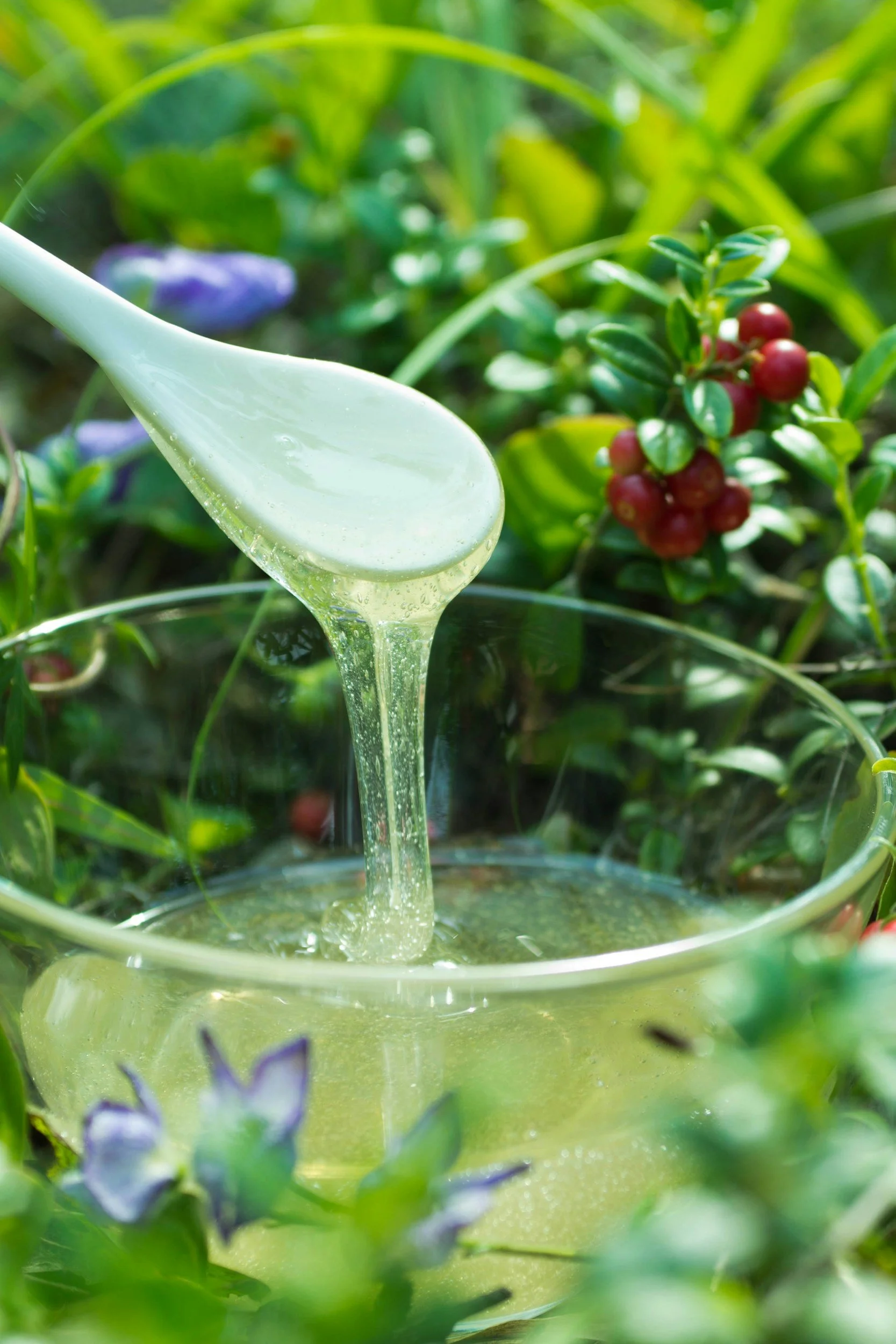
Reclaiming Vitality, Ancestral Wisdom & the Living Intelligence of the Earth
Shantree Kacera, RH, DN, Ph.D.
Rooted Beginnings
“If we surrendered to earth’s intelligence, we could rise up rooted, like trees.”
~Rainer Maria Rilke, poet and philosopher
Curiosity began as a quiet question rather than a conclusion.
Why did certain plants thrive without care while cultivated foods required constant attention? Why did a leaf growing through a crack in the earth carry such intensity of flavour compared to something grown in perfect rows?
These questions emerged early, sparked by observation rather than instruction.
A small hand once hovered over a cluster of wild greens at the edge of a garden, guided by nothing more than intrigue. An elder voice offered a gentle invitation. “Taste this. The Earth offers more than we remember.” That first bite brought surprise. Bitterness mingled with brightness. Energy followed in a subtle yet unmistakable way. Something within that moment invited further exploration.
Curiosity expanded into a pattern of noticing. Plants growing freely seemed to carry a different kind of presence. They responded to wind, soil, sun, and seasonal shifts with resilience. Their forms appeared less uniform, more expressive. Grocery aisles began to feel like curated versions of something far more complex and alive beyond cultivated spaces.
The American naturalist Henry David Thoreau, whose life reflected deep immersion in wild landscapes and simple living, once wrote, “We need the tonic of wildness.” His words arose through years of direct observation, walking forests, studying seasonal cycles, and reflecting on human relationships with nature. That same sense of inquiry continues to echo through the act of gathering wild foods.
Walking through meadows and forest edges, questions deepened. Why did these plants persist through drought, through storms, through neglect? What internal intelligence allowed them to adapt and flourish? Gathering dandelion greens, chickweed, nettles, and wild berries became both practice and investigation.
The more closely one observed, the more a pattern revealed itself. These plants existed within intricate ecosystems, supported by microbial networks beneath the soil and dynamic relationships above it. Their strength appeared to arise from connection rather than isolation. That realization shifted the perspective of nourishment itself.
The Living Intelligence of Wild Foods
Wild living foods carry a remarkable nutritional density. Scientific research continues to affirm what traditional knowledge has long expressed through lived experience. Studies comparing wild greens with cultivated varieties show significantly higher concentrations of vitamins, minerals, and antioxidants. For example, wild dandelion greens often contain up to seven times more vitamin K than cultivated lettuce, alongside elevated levels of vitamin A, calcium, and iron.
Polyphenols, a class of compounds associated with reduced inflammation and enhanced cellular resilience, appear in greater abundance within wild plants. These compounds support the body’s capacity to respond to environmental stressors. Flavonoids, another group of plant chemicals, contribute to cardiovascular health and improved immune function. Wild berries, such as blueberries and elderberries, demonstrate especially high antioxidant activity, sometimes surpassing cultivated counterparts by large margins.
The botanist and member of the Citizen Potawatomi Nation Robin Wall Kimmerer, whose work bridges scientific training and Indigenous ecological knowledge, writes, “All flourishing is mutual.” Her research in plant ecology, combined with decades of teaching and cultural storytelling, highlights how plants and humans exist within reciprocal systems.
Fibre content in wild foods also plays a crucial role. Diverse fibres support a thriving gut microbiome, which influences digestion, immunity, and even mood. Emerging research highlights the connection between gut bacteria diversity and overall health. Wild plants, with their varied fibre structures and microbial companions, contribute to this diversity in meaningful ways.
A plant biochemist once shared during a lecture, “Stress in plants translates into resilience within the human body.” This concept aligns with ecological principles. Plants exposed to variability develop robust internal chemistry. Humans benefit through the consumption of those compounds.
There exists a quiet synergy between humans and wild plants. The body seems to recognize their complexity. Digestion often feels smoother. Energy feels steadier. A sense of alignment emerges.
A Personal Journey of Transformation
The shift toward wild living foods unfolded gradually, shaped by both curiosity and necessity. Periods of fatigue and digestive discomfort created a desire for deeper healing. Conventional approaches offered temporary relief, while a more holistic pathway called from within.
Fasting entered the journey as a powerful tool. During extended water fasts and gentle cleansing practices, the body began to reset. Sensitivity to food increased. Cravings shifted. Processed foods lost their appeal, while simple, living foods gained prominence.
Breaking a fast with wild greens and freshly gathered herbs brought a profound experience. The body responded with clarity and ease. A sense of gratitude arose. “This feels like coming home,” came the thought, almost as a whisper.
The American author and food journalist Michael Pollan, whose work explores the relationship between culture and diet, once observed, “Eat food. Mostly plants. Not too much.” His research into industrial agriculture and traditional diets reflects years of investigation into how food shapes health and society.
In time, guiding others through similar processes revealed consistent patterns. Individuals who incorporated wild foods into their diets often reported increased vitality, improved digestion, and enhanced mental clarity. One participant shared after several weeks of incorporating wild greens, “I feel a steady energy that carries me through the day. My body feels lighter, more responsive.”
Another person described emotional shifts alongside physical changes. “There is a sense of connection I never expected. Eating these foods feels like participating in something larger.”
These experiences reinforced the idea that nourishment extends beyond nutrients. It includes relationship, awareness, and presence.
Rewilding the Plate
Modern diets often rely heavily on cultivated crops selected for yield, uniformity, and shelf life. While these foods provide sustenance, they sometimes lack the diversity and vitality found in wild ecosystems. Rewilding the plate involves reintroducing foods that grow freely, guided by natural processes.
Common wild foods offer accessible entry points. Dandelion greens, often dismissed as weeds, provide a rich source of vitamins and minerals. Nettle leaves, once properly prepared, offer protein, iron, and chlorophyll. Purslane contains omega-3 fatty acids, a rarity among leafy plants. Lamb’s quarters, sometimes called wild spinach, delivers calcium and magnesium in abundance.
The American chef and pioneer of the farm-to-table movement, Alice Waters once shared, “When you eat from the land, you begin to understand it.” Her decades of work connecting agriculture, education, and cuisine reflect a lifelong dedication to food as a relationship.
Preparation methods vary, ranging from simple salads to soups, pestos, and fermented dishes. Fermentation adds another layer of benefit, introducing beneficial bacteria that support gut health. Combining wild foods with fermentation creates a dynamic synergy between plant compounds and microbial life.
A foraging guide once remarked during a workshop, “Every plant has a story, and every story carries nourishment.” Listening to those stories requires slowing down, observing, and engaging with the environment.
Safety remains an essential aspect of foraging. Proper identification ensures that edible plants are distinguished from harmful lookalikes. Learning from experienced guides, using reliable field guides, and approaching with respect fosters a safe and rewarding practice.
Scientific Insights & Measurable Benefits
The benefits of wild living foods extend into measurable physiological outcomes.
Antioxidant capacity often appears significantly higher in wild plants. Antioxidants help neutralize free radicals, which contribute to cellular aging and chronic disease. Research indicates that diets rich in antioxidants correlate with reduced risk of cardiovascular disease and certain cancers.
Anti-inflammatory effects also play a crucial role. Chronic inflammation underlies many modern health challenges. Compounds found in wild plants, such as quercetin and kaempferol, demonstrate anti-inflammatory properties that support overall health and resilience.
Mineral density represents another advantage. Wild soils, rich in diverse microbial life, contribute to higher mineral uptake in plants. These minerals, including magnesium, zinc, and selenium, support enzymatic processes within the body, influencing metabolism, nervous system balance, and immune function.
The American physician and preventive medicine expert David Katz has emphasized, “Diet quality determines health outcomes far more than any single nutrient.” His decades of clinical research in nutrition and lifestyle medicine support this perspective.
Glycemic regulation improves with the inclusion of wild foods. Many wild plants have lower carbohydrate content and higher fibre levels, contributing to stable blood sugar levels. This stability supports sustained energy and metabolic balance.
Emotional & Spiritual Dimensions
Beyond physical benefits, wild living foods invite a deeper connection with life itself. Gathering food from the land fosters mindfulness and presence. Each step becomes intentional. Each plant encountered carries significance.
There exists a quiet reverence in harvesting. Taking only what is needed, leaving enough for regeneration, and expressing gratitude create a reciprocal relationship. This relationship nourishes emotional and spiritual well-being.
The American conservationist and author Aldo Leopold once wrote, “To keep every cog and wheel is the first precaution of intelligent tinkering.” His life’s work in ecology and land ethics emphasized the interconnectedness of all living systems.
During a solitary walk through a forest, gathering mushrooms and greens, a realization emerged. The act of foraging felt like a conversation. The environment responded through subtle cues. A sense of belonging arose. “You are part of this,” the inner voice expressed.
Sharing meals prepared from wild foods deepens connection with others. Conversations shift. Awareness expands. Food becomes a bridge between people and place.
One community gathering centred around wild foods included a simple meal of foraged greens, roots, and berries. After eating, a participant reflected, “This meal feels alive in a way I cannot fully explain. There is a presence within it.”
Challenges & Integration
Integrating wild living foods into daily life presents both opportunities and challenges. Access to wild spaces varies. Urban environments may limit availability, though parks and community gardens sometimes offer surprising abundance.
Time and knowledge also play roles. Learning plant identification requires patience and practice. Building confidence develops gradually. Starting with a few well-known plants allows for a manageable beginning.
Cultural perceptions sometimes create barriers. Many people view wild plants as undesirable or inferior. Shifting this perspective involves education and direct experience. Tasting the vibrancy of wild foods often changes perception quickly.
The American farmer, poet, and essayist Wendell Berry has expressed, “Eating is an agricultural act.” His decades of writing on land stewardship and community reflect a deep commitment to ecological responsibility.
Blending wild foods with familiar dishes can ease the transition. Adding wild greens to salads, smoothies, or soups introduces new flavours without overwhelming the palate.
A Continuing Path
The journey with wild living foods continues to evolve. Each season brings discoveries. Each landscape offers unique gifts. The practice deepens through repetition and reflection.
There exists a sense of returning to something ancient, something deeply human. Wild foods connect past, present, and future. They remind us of resilience, adaptability, and interdependence.
The American forager and author Euell Gibbons once remarked, “Many of the foods we consider weeds are among the most nourishing plants available.” His work helped reintroduce wild foods into modern awareness through direct experience and storytelling.
A closing reflection often arises at the end of a day spent foraging and preparing food. Sitting quietly, tasting the meal, feeling its effects within the body, a simple truth becomes clear. “This is nourishment in its fullest sense.”
Wild living foods offer more than sustenance. They provide a pathway toward vitality, connection, and understanding. Through them, the Earth speaks, and through listening, a profound relationship unfolds.
“When one tugs at a single thing in nature, he finds it attached to the rest of the world.”
~John Muir, naturalist and wilderness advocate